
Marketing an icon without flattening the story.
The world's last remaining Frank Lloyd Wright-designed hotel already has a remarkable identity. Roble's job is to make that story easier to discover, experience and book without turning it into a gimmick.
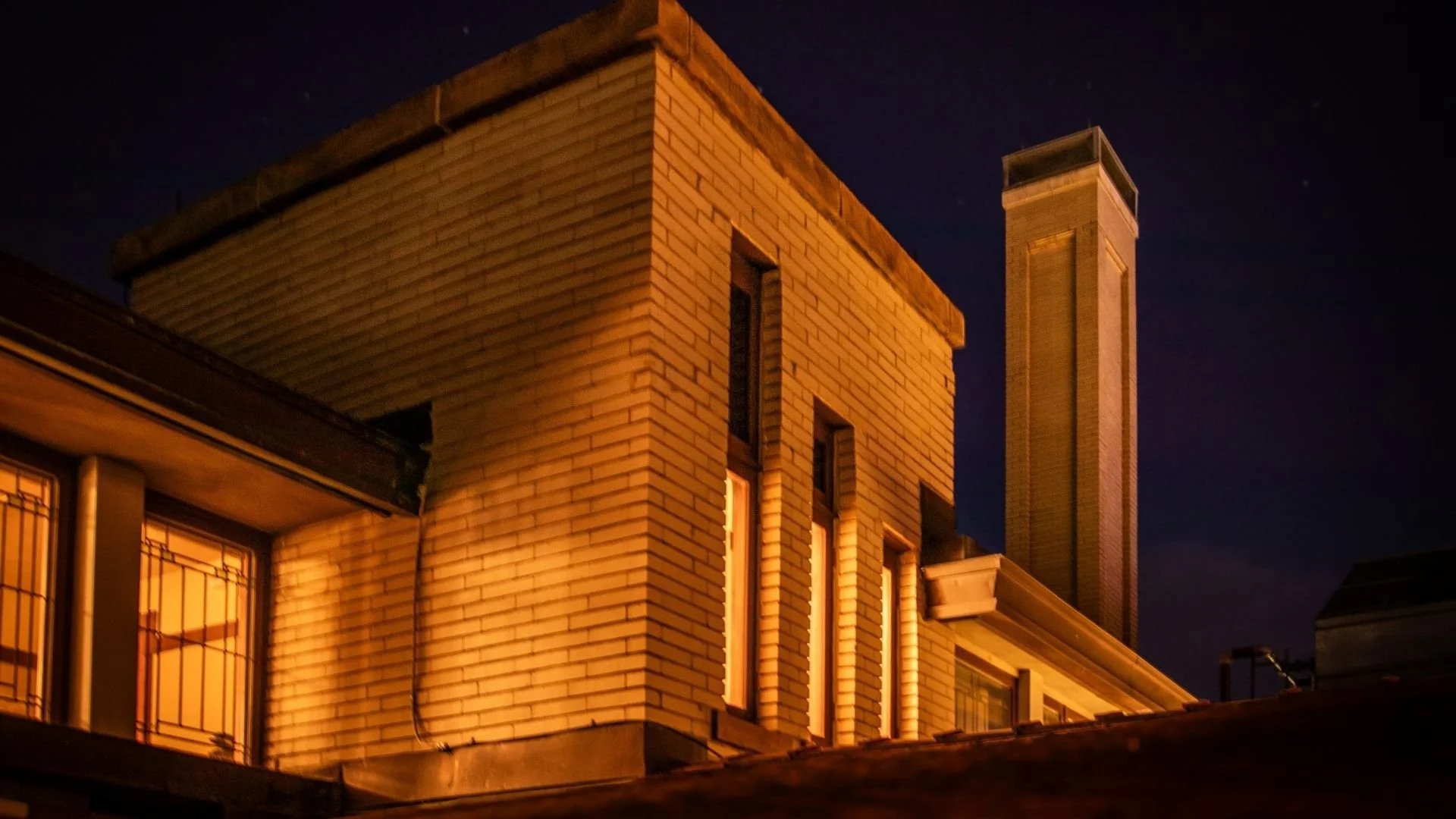
The brand wasn't missing. The marketing needed to catch up to it.
Historic properties are easy to market badly. Push the history too hard and the hotel starts feeling like a museum. Ignore it and you lose the exact thing that makes the property impossible to replicate.
Roble treats Wright's architecture as part of a larger hospitality experience — connecting the design story to dining, events, content and the reasons a modern traveler would actually choose to stay.
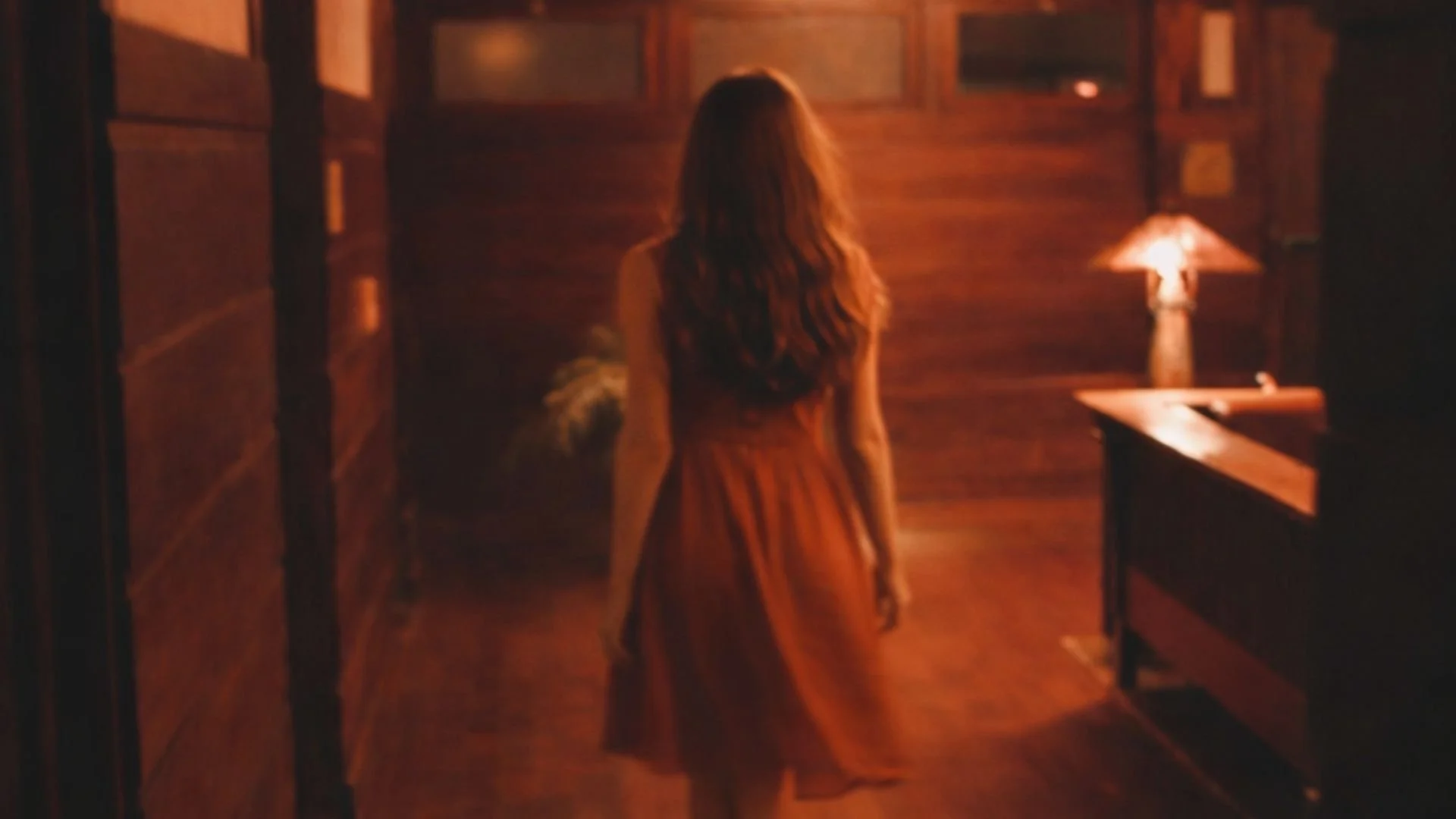
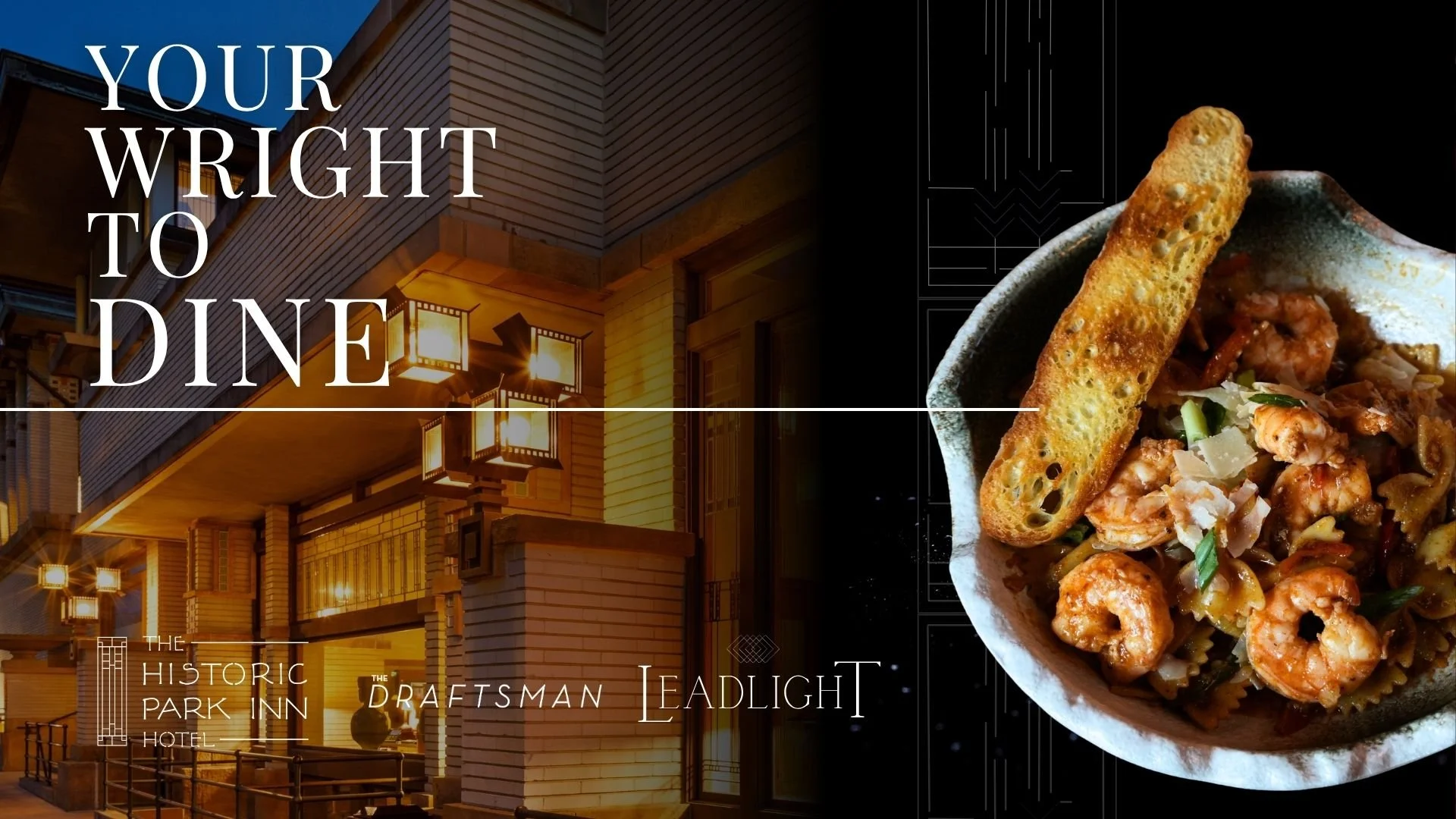
Let the property be the idea.
Creative uses the hotel's architecture and atmosphere as an advantage while also introducing the dining, programming and guest experience that make it relevant beyond its history.
Storytelling with a business objective.
Positioning
Protect the property's architectural significance while making the hotel feel experiential rather than academic.
Dining + events
Leadlight, The Draftsman, packages and programming give audiences additional entry points into the property.
Digital demand
Search, website content and campaign activity connect discovery to direct booking behavior.
Creative direction
Photography and campaigns maintain the hotel's character instead of forcing it into generic boutique-hotel language.
The best hospitality brands don't need to shout. They need to be understood.
Next: building the visual world around a boutique beach hotel.
Wavehouse →